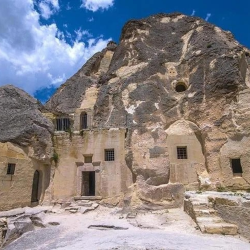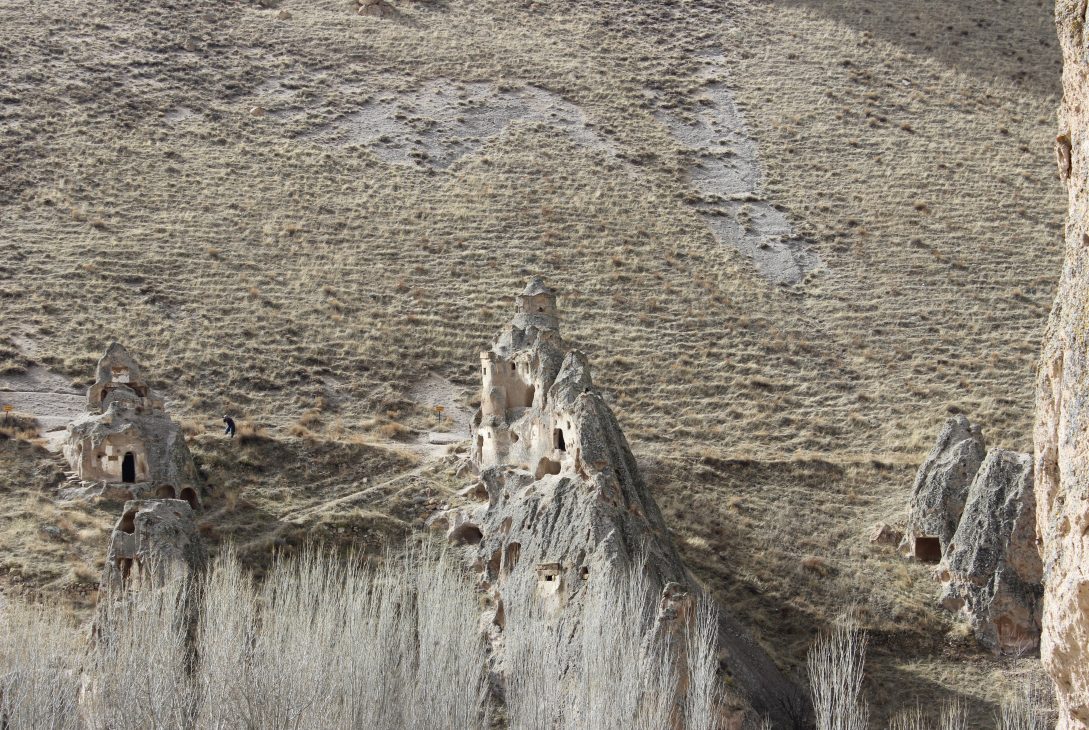
Soğanlı Valley, located within the borders of Kayseri and one of the significant destinations that has best preserved the authentic texture of Cappadocia to the present day, was officially included in the Cappadocia Area by the Presidential Decree No. 9163, published in the Official Gazette dated November 27, 2024, and numbered 32735. This decision is considered to be of critical importance for carrying the valley into the future and increasing its touristic recognition.
One of History’s Military and Religious Centers
Located on the historical Niğde-Kayseri route, Soğanlı Valley stands out particularly with its rock-carved architecture and unique frescoes. Serving as one of the most important Byzantine settlements in the region during the 10th century, the valley acquired the identity of a strategic military defense point by the 11th century. This continuous historical timeline, extending from the Middle Ages to the Danishmends, elevates the valley to a prominent position in local historical research.
Having maintained its original structure by remaining relatively outside of popular tourism routes until now, the valley is embarking on a new era by entering the jurisdiction and supervision of the Area Presidency. Under the Presidency’s conservation vision, the goal is to preserve the rock-carved structures and historical frescoes through scientific methods and pass them on to future generations.
The Living Representative of Cultural Heritage: Soğanlı Rag Dolls
Soğanlı Valley draws attention not only for its architecture but also for its living cultural heritage. The “Soğanlı Rag Dolls,” handcrafted by local women and passed down through generations to become the colorful symbol of the village, are among the most valuable cultural details welcoming visitors to the valley.
With the inclusion of the Cappadocia Area Presidency in the region, the preservation of both the deep-rooted historical structures and local cultural values of Soğanlı Valley is expected to be secured through a much more coordinated and holistic approach.
For more detailed information about the settlement, you can review the significant academic studies conducted on this region by art historian H. Ceylan Karaca.