Search Conference: “Exchange, Place, and Identity”
About the Project
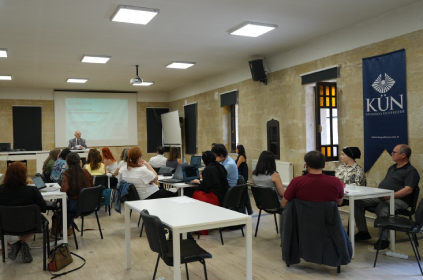
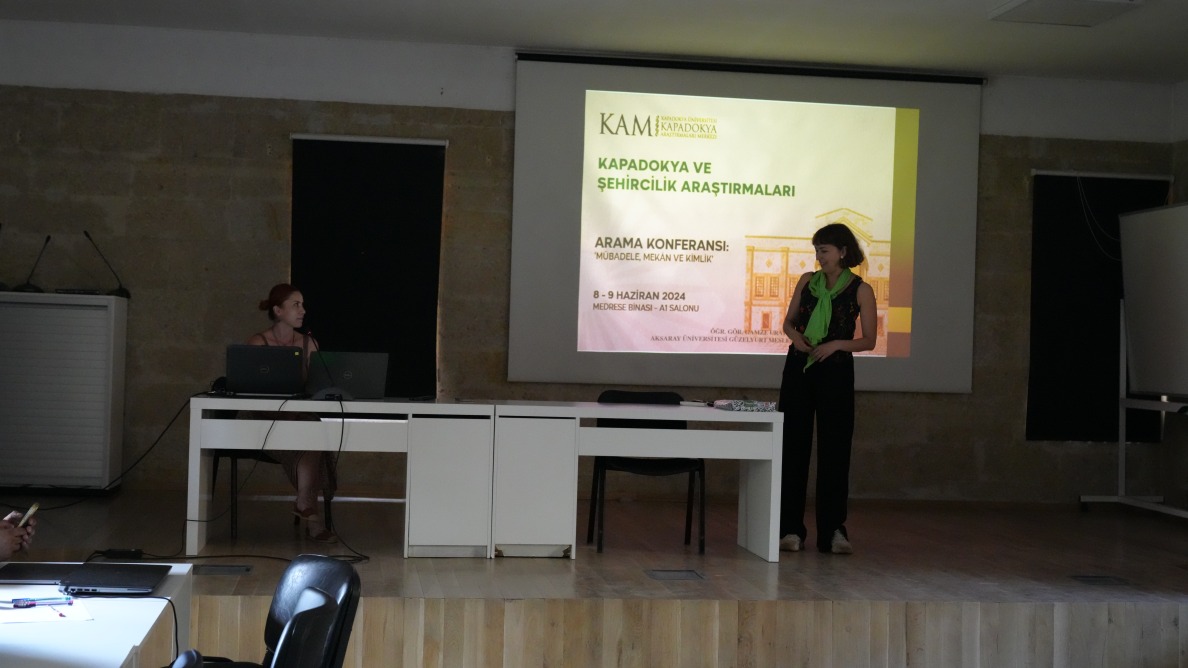
Within the scope of the ongoing “Cappadocia and Urban Studies” project carried out by the Cappadocia Studies and Cultural Research Center, a scientific meeting was organized in collaboration with the Department of City and Regional Planning, with the support of the Faculty of Architecture, Design and Fine Arts. This meeting constituted an important component of the scientific research project titled “An Investigation of the Effects of the Population Exchange in Cappadocia on Space and Identity,” supported by Cappadocia University.
Scope of the Conference:
On the 100th anniversary of the Turkish–Greek Population Exchange following the 1923 Lausanne Treaty, the conference aimed to examine the spatial, social, and cultural impacts of population change in a multidimensional manner, with a particular focus on the Cappadocia region. The study was conducted from the following perspectives:
Urbanization and spatial transformation
Sociological and psychological impacts
Architectural heritage and conservation
Art history and cultural continuity
Tourism and economic transformation
Folklore and ethnology
Identity formation and memory
Participants:
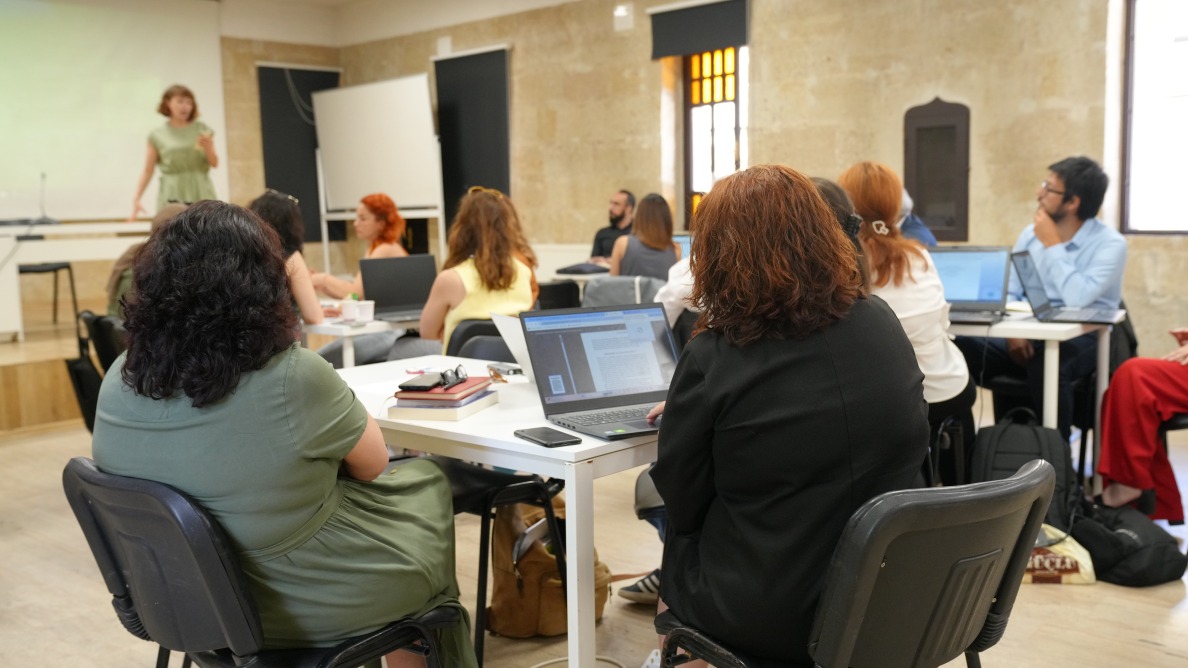
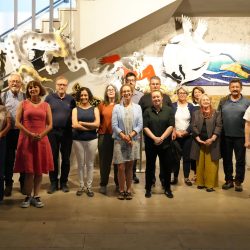
The conference was attended by academics, experts, and students from various disciplines, as well as representatives from different sectors such as tourism, culture, and local government. This multi-stakeholder participation enabled the effects of the population exchange to be discussed in both theoretical and practical dimensions.
The findings and discussions produced during the search conference were presented as a panel session at the international congress titled “Rethinking the Turkish–Greek Population Exchange on Its 100th Anniversary,” organized by Cappadocia University in September 2024 (https://mubadele.kapadokya.edu.tr/). The panel, entitled “Evaluating Life Before and After the Population Exchange from Different Perspectives through the Case of Mustafapaşa/Sinasos,” brought the effects of the population exchange on space and identity in a local context into national and international academic debate.